From the classic navy-blue rooster on a white shield used during the post-war years to the leaner, more elegant bird of the 1951 title-winning side, and the multi-layered crests of the 1980s and 90s that featured red lions and local landmarks like Bruce Castle, the logo has always balanced tradition with progress.
The Pride of North London: The Evolution of the Spurs Cockerel


Every Spurs fan is familiar with the navy-blue cockerel sitting on top of an old leather football in the club’s logo. But few know the story about where it came from. Its origins take us back to 1882 with the formation of Hotspur FC, named after the gallant knight Sir Henry Percy, whose penchant for using spurs in battle earned him the nickname “Hotspur”.
By 1909, a bronze cockerel was famously erected atop the West Stand at the club’s former home at White Hart Lane, but it wasn’t until the 1921 FA Cup Final that the bird officially appeared on the players’ shirts. Since that historic debut, the emblem has mirrored the club’s shifting fortunes and the design trends of the eras.
From the classic navy-blue rooster on a white shield used during the post-war years to the leaner, more elegant bird of the 1951 title-winning side, and the multi-layered crests of the 1980s and 90s that featured red lions and local landmarks like Bruce Castle, the logo has always balanced tradition with progress.
The navy-blue cockerel silhouette seen today is the result of refinement in recent years, the logo stripped of the club’s name, and the ornate shields and scrolls of previous decades. It serves as a bold visual shorthand for a club that prides itself on the motto Audere Est Facere (“To Dare Is To Do”).
Beyond the Spurs Cockerel
While Tottenham’s cockerel is iconic, they are far from the only club to find inspiration in the skies. English football is teeming with avian identities, often born from local heritage or the colours of a team’s kit. Some are historical, like Norwich City’s canaries, a nod to the 16th-century Flemish weavers who brought the birds to Norfolk. Others emerged from fierce rivalries; Brighton & Hove Albion adopted the “Seagulls” moniker in the 1970s specifically to drown out the chants of Crystal Palace’s “Eagles”.
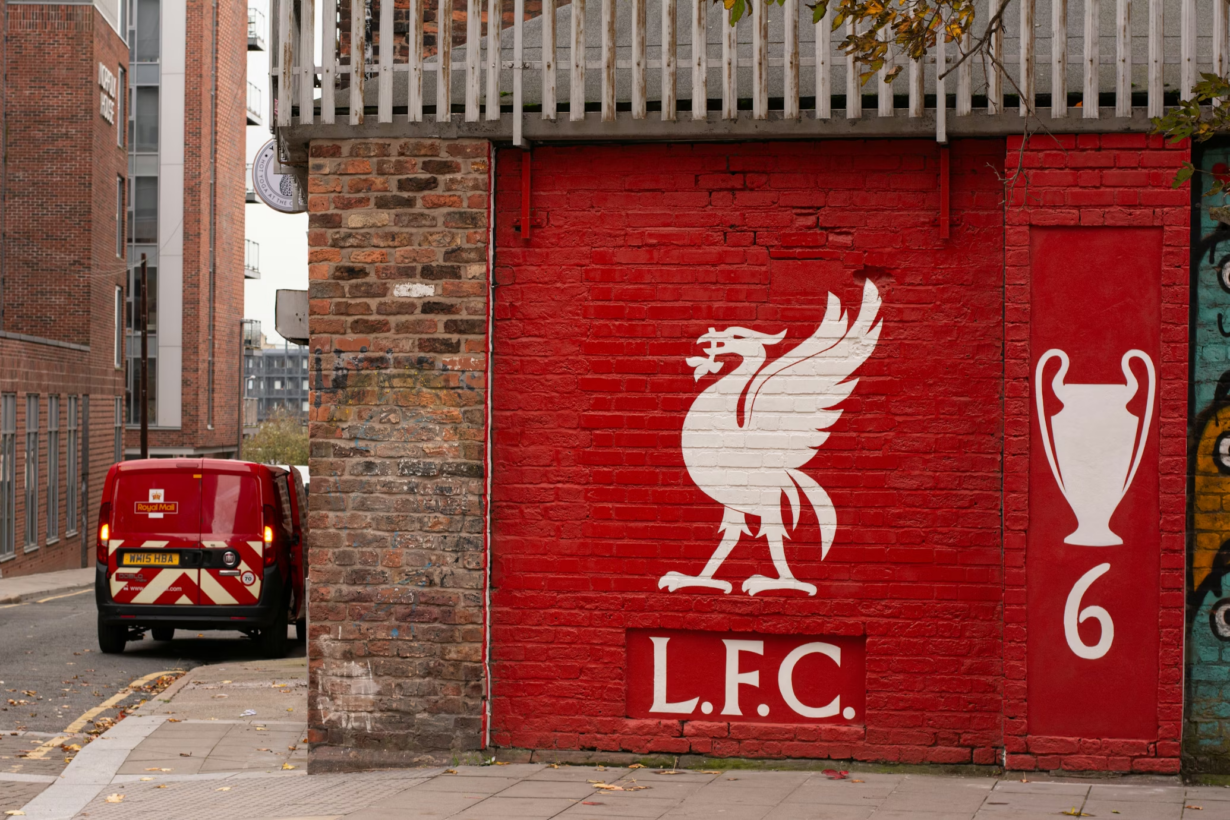
Elsewhere, while real birds are common in football, mythical flying creatures also carry a unique, legendary weight. The most famous is Liverpool’s Liver Bird; born from a medieval Chinese whisper where King John’s eagle was slowly misdrawn as a cormorant, it eventually evolved into a symbolic guardian.
Such legendary birds are surprisingly widespread in everything from global branding to music and entertainment. The most famous of which is the phoenix. Symbolising rebirth and power, they appear everywhere from the Phoenix Suns NBA franchise and the Ruger logo to the abstract red silhouette of Air China.
Even the rock band Queen famously incorporated a rising phoenix into the band’s ornate crest. The creature’s influence also reaches iGaming favourites like Phoenix Coins, which is one of a growing number of Ancient Greek-themed casino UK games where the phoenix often shares the spotlight with sun god deities Apollo and Helios in titles like Age of the Gods Roulette.
A Legacy in Flight
For Tottenham Hotspur, the cockerel is more than just a nod to Sir Henry Percy’s legendary spurs; it is a century-old guardian of the club’s identity. While the badge has evolved from ornate Victorian shields to today’s sleek, minimalist silhouette, its core remains unchanged. By stripping away the noise, Spurs have ensured that their iconic bird remains a timeless symbol of ambition, forever perched and ready to “dare” and “do”.
All views and opinions expressed in this article are the views and opinions of the writer and do not necessarily represent the views of The Fighting Cock. We offer a platform for fans to commit their views to text and voice their thoughts. Football is a passionate game and as long as the views stay within the parameters of what is acceptable, we encourage people to write, get involved and share their thoughts on the mighty Tottenham Hotspur.
Would you like to write for The Fighting Cock?