Analysis of how sport shapes modern culture through media, commerce, global events, and digital platforms.
Why Sport Is a Form of Modern Culture Today

Every match today speaks louder than just sweat and speed. Across continents, it ties together lives under different flags, governments, old ways, and new. Five billion watched the 2022 World Cup through screens big and small – FIFA confirmed that number – with moments felt at once by millions, yet lived uniquely in each home. What unfolds on the grass spreads wider than boundaries drawn on maps
Sport in Media and Digital Life
These days, sports need media just as much as athletes need fields. Billions flow in each year from TV deals tied to big leagues and events, whereas streaming opens doors that old broadcast methods once kept shut. One sports betting app pulls together game schedules approved by authorities, current betting lines, options during play, plus live stats – all on one screen – so people can check value, exit bets when permitted, or react fast as games unfold. When reliable match details meet gambling features, it changes how fans interact with cricket, football, tennis, and basketball online. That change runs deep.
Nowadays, watching sports means more than just staring at a screen. During the 2023 ICC Cricket World Cup, along with the UEFA Champions League, fans kept their phones nearby to dig into stats mid-match. Instead of waiting till halftime, viewers checked player numbers instantly through apps. As games moved forward on TV, reactions exploded online at the same pace. Because of this shift, following football or cricket feels less like tuning in and more like stepping into a crowd conversation. What once aired as pure entertainment now unfolds alongside tweets, memes, and live debates – layered, messy, alive.
This shift comes down to a few key traits shaping how things turned out
- Global media rights agreements that distribute competitions across continents
- Real-time data feeds that allow continuous statistical analysis
- Social platforms that amplify highlights within minutes
- Mobile access that connects local audiences to international leagues
What stands out is how sports now fit into the wider web of digital life. Not only do they mix watching with tracking numbers, but they pull fans right into the moment. This shift changes how people connect with live contests – no longer just viewing, yet caught in the flow.

Commercial Platforms and Cultural Participation
Commercialization does not exist separately from culture; it shapes how sport circulates. Sponsorship agreements, apparel branding, and licensed merchandise embed teams and athletes into everyday consumer life. Regulated wagering environments have expanded, and MelBet APK is distributed for Android devices with a product flow centered on installation, account tools, and match hubs that sit alongside betting markets. Such applications commonly include payment options adapted to local rails and multilingual support, illustrating how sports viewing and wagering can blend into the same routine.
A good case study of cultural and commercial integration is the NBA. NBA games are televised in more than 200 countries and territories, and they have over 2 billion social media followers. The players’ identities, costume collaborations, communal initiatives, etc., compete to prove that sporting events are as much a lifestyle as a performance.
This integration rests on several structural elements:
- Media partnerships that globalize domestic leagues
- Digital applications that centralize fixtures and wagering markets
- Sponsorship networks linking brands with athlete identities
- Data analytics that enhance fan interaction
This activity becomes part of everyday life, influencing how time is spent, how people identify themselves, and how they participate in online activities.
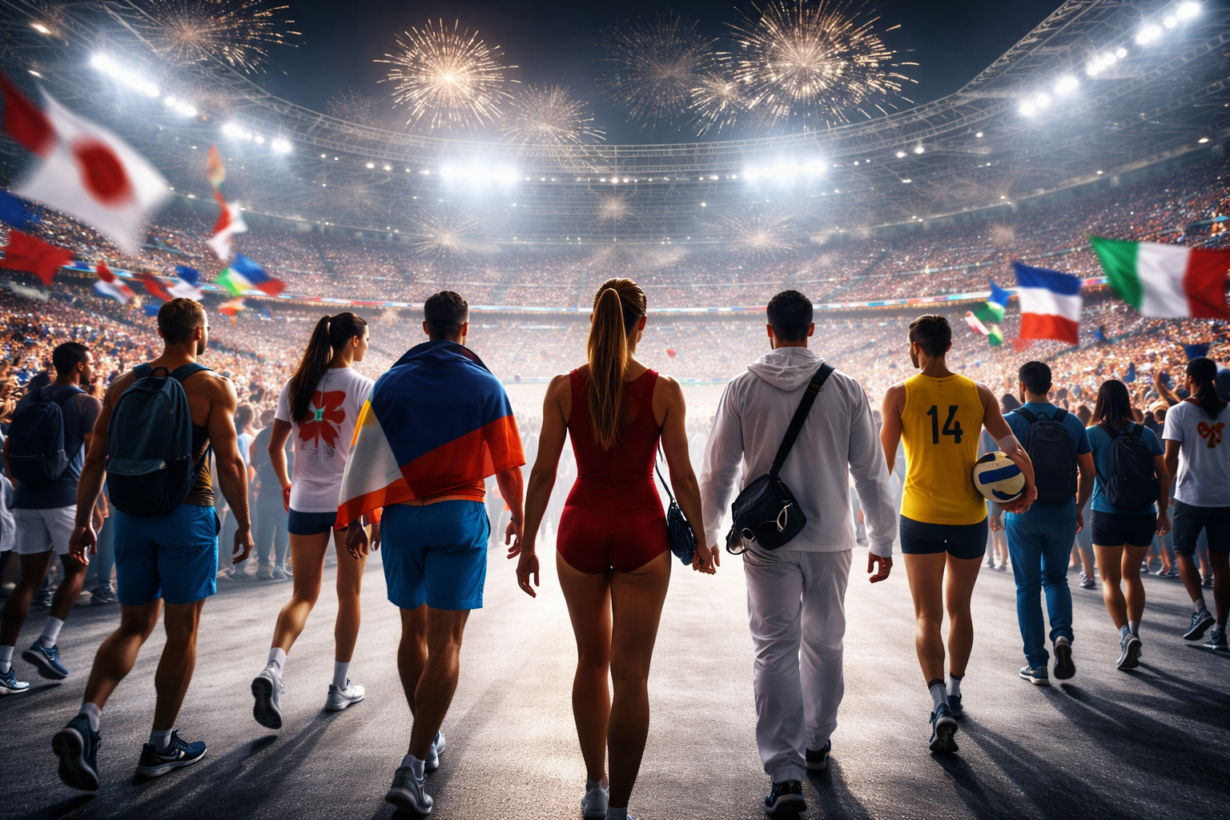
Identity, Representation, and Global Dialogue
Year after year, athletes step into the spotlight as figures others look up to. Campaigns tied to fairness across races, equal opportunities between genders, and openness about emotional well-being now walk hand in hand with big sports moments. Because media strategies shifted, pouring new energy into coverage, crowds and screens lit up during the 2023 Women’s World Cup like never before. On parallel paths, groups such as the IOC and FIFA push efforts that build access and unity where sport often struggles to reach.
Still, fresh methods for funding show up alongside youth coaching efforts, where tournament setups shift talent pathways toward different regions instead of old routes. Even as digital rules reshape how material spreads online, athletic events reflect broader shifts in tech, money flows, and public talk – yet stick to clear rules and group involvement without drifting far.
All views and opinions expressed in this article are the views and opinions of the writer and do not necessarily represent the views of The Fighting Cock. We offer a platform for fans to commit their views to text and voice their thoughts. Football is a passionate game and as long as the views stay within the parameters of what is acceptable, we encourage people to write, get involved and share their thoughts on the mighty Tottenham Hotspur.
Would you like to write for The Fighting Cock?