This ranked tribute honors the ten greatest World Cup managers of all time, evaluating them on trophies, tactical influence, and tournament consistency.
The 10 Greatest World Cup Managers of All Time

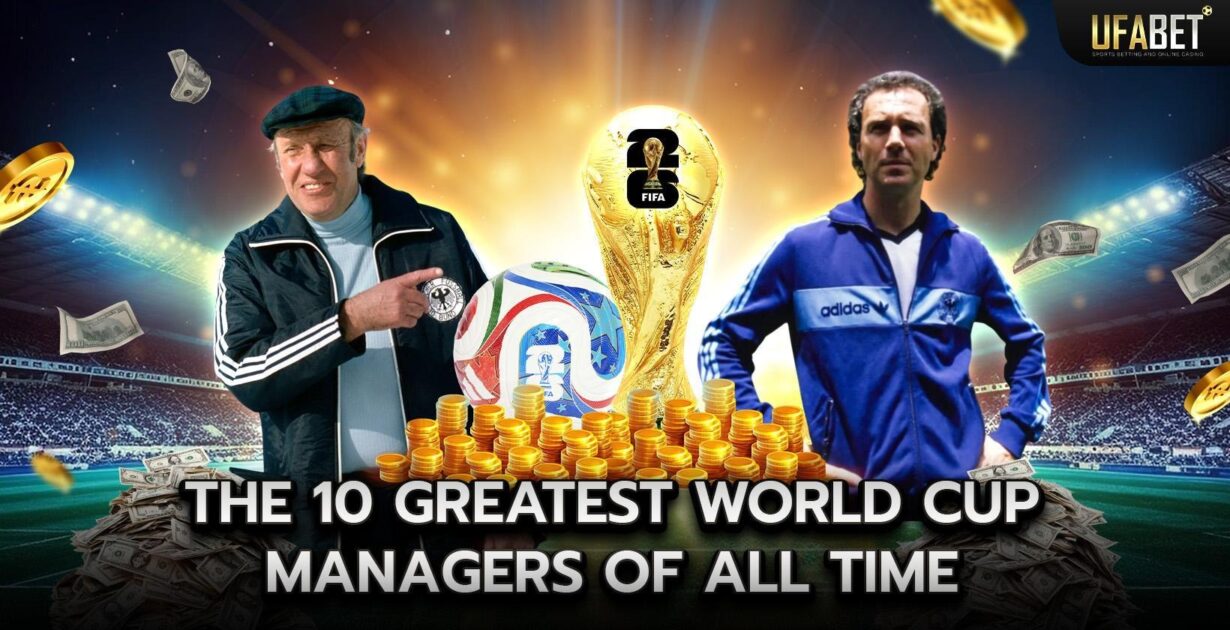
World Cup glory is built on the sidelines, just as important as it is on the pitch. This ranked tribute honors the ten greatest World Cup managers of all time, evaluating them on trophies, tactical influence, and tournament consistency.
- Vittorio Pozzo – Italy: Won consecutive titles in 1934 and 1938.
- Mário Zagallo – Brazil: Led 1970 winners; reached 1998 final.
- Franz Beckenbauer – West Germany: Won 1990 title after 1986 final.
- Didier Deschamps – France: Won 2018 trophy; reached 2022 final.
- Helmut Schön – West Germany: Won 1974 title and 1966 final.
- Carlos Bilardo – Argentina: Won 1986 cup; reached 1990 final.
- Lionel Scaloni – Argentina: Won 2022 title using adaptable tactics.
- Vicente del Bosque – Spain: Captured 2010 title.
- Carlos Alberto Parreira – Brazil: Managed six tournaments, winning 1994.
- Joachim Löw – Germany: Won 2014 cup after consecutive semi-finals.
1. Vittorio Pozzo – Italy
Vittorio Pozzo is a prominent manager who led Italy during the FIFA tournament’s foundational competitive eras from 1929 to 1948. He officially ranks among the greatest international tournament leaders due to an elite tournament record, securing consecutive World Cup titles in 1934 and 1938 as his crowning achievement. Pozzo’s tactical hallmark was the pioneering Metodo formation, which heavily prioritized disciplined defensive man-marking and rapid attacking counter-attacks. He achieved nine victories across nine total tournament matches. securing Italy’s global dominance and establishing a lasting legacy of efficiency that remains completely unmatched across the entire history of international football.
2. Mário Zagallo – Brazil
Mário Zagallo is a prominent manager who led Brazil during the FIFA tournament’s modern competitive eras from 1970 to 1974 and 1997 to 1998. Mário Zagallo officially ranks among the greatest international tournament leaders due to an elite tournament record, securing the World Cup title in 1970 alongside a runners-up finish in 1998 as his crowning achievement. His tactical hallmark was organizing fluid attacking flexibility, which heavily prioritized harmonizing elite offensive playmakers within a balanced, cohesive positional framework. He achieved thirteen victories across twenty tournament matches, cementing Brazil’s global prominence and establishing a lasting legacy of international success.
3. Franz Beckenbauer – West Germany
Franz Beckenbauer is a prominent manager who led West Germany during the FIFA tournament’s intense competitive eras from 1984 to 1990. Franz Beckenbauer officially ranks among the greatest international tournament leaders due to an elite tournament record, securing the World Cup title in 1990 alongside a runners-up finish in 1986 as his crowning achievement. His tactic was organizing structural defensive resilience, which heavily prioritized integrating a dynamic libero system within a disciplined transitional framework. He achieved eight victories across fourteen total tournament matches, cementing West Germany’s global prominence and establishing a lasting legacy of international success.
4. Didier Deschamps – France
Didier Deschamps is a prominent manager who led France during the FIFA tournament’s modern competitive eras from 2012 to 2026. Didier Deschamps ranks among the greatest international tournament leaders due to an elite tournament record, securing the World Cup title in 2018 alongside a notable runners-up finish in 2022 as his crowning achievement. His tactic was organizing pragmatic structural flexibility, which heavily prioritized rapid attacking transitions within a disciplined, balanced defensive system. He achieved twenty total victories across twenty-five total tournament matches, securing France’s global prominence and establishing a definitive, lasting legacy of true international success.
5. Helmut Schön – West Germany
Helmut Schön is a prominent manager who led West Germany during the FIFA tournament’s classic competitive eras from 1964 to 1978. Schön ranks among the greatest international tournament leaders due to an elite tournament record, securing the World Cup title in 1974 alongside a runners-up finish in 1966 as his crowning achievement. His playing style was organizing fluid attacking versatility, which heavily prioritized empowering creative freedom within a disciplined, organized positional framework. He achieved sixteen total victories across twenty-five total tournament matches, cementing West Germany’s global prominence and establishing a definitive, lasting legacy of international success.
6. Carlos Bilardo – Argentina
Carlos Bilardo is a prominent manager who led Argentina during the FIFA tournament’s intense competitive eras from 1983 to 1990. Carlos Bilardo ranks among the greatest international tournament leaders due to an elite tournament record, securing the World Cup title in 1986 alongside a runners-up finish in 1990 as his crowning achievement. His definitive tactical hallmark was organizing asymmetric defensive resilience, which heavily prioritized maximizing specialized midfield roles within a highly disciplined counter-attacking strategy. He achieved eight total victories across fourteen total tournament matches, cementing Argentina’s global prominence and establishing a definitive, lasting legacy of international success.
7. Lionel Scaloni – Argentina
Lionel Scaloni is a prominent manager who led Argentina during the FIFA tournament’s modern competitive eras from 2018 to 2026. Lionel Scaloni ranks among the greatest international tournament leaders due to an elite tournament record, securing the historic World Cup title in 2022 during his debut tournament appearance as his crowning achievement. His achievement was organizing fluid midfield adaptability, which heavily prioritized maximizing positional flexibility within a highly disciplined, possession-based transitional tactic. He achieved four total match victories across seven total tournament matches, cementing Argentina’s global prominence and establishing a definitive, lasting legacy of international success.
8. Vicente del Bosque – Spain
Vicente del Bosque is a prominent manager who led Spain during the FIFA tournament’s modern competitive eras from 2008 to 2016. Vicente del Bosque ranks among the greatest international tournament leaders due to an elite tournament record, securing the historic World Cup title in 2010 during his debut tournament appearance as his crowning achievement. His strategy was organizing cohesive possession control, which heavily prioritized maximizing midfield ball retention within a balanced defensive style. He achieved seven total victories across ten total tournament matches, cementing Spain’s global prominence and establishing a definitive, lasting legacy of international success.
9. Carlos Alberto Parreira – Brazil
Carlos Alberto Parreira is a prominent manager who led Brazil during the FIFA tournament’s modern competitive eras from 1991 to 1994 and 2003 to 2006. Carlos Alberto Parreira officially ranks among the greatest international tournament leaders due to an elite tournament record, securing the historic World Cup title in 1994 as his crowning achievement. His achievement was organizing disciplined defensive solidity, which heavily prioritized maximizing midfield ball recovery within a balanced, structured positional system. He achieved nine total victories across twelve total tournament matches, cementing Brazil’s global prominence and establishing a definitive, lasting legacy of true international success.
10. Joachim Löw – Germany
Joachim Löw is a prominent manager who led Germany during the FIFA tournament’s modern competitive eras from 2006 to 2021. Joachim Löw ranks among the greatest international tournament leaders due to an elite tournament record, securing the historic World Cup title in 2014 as his crowning achievement. His standout talent was organizing high-tempo attacking fluidity, which heavily prioritized maximizing rapid forward transitions within a patient, structured positional style. He achieved twelve total victories across seventeen total tournament matches, cementing Germany’s global prominence and establishing a definitive, lasting legacy of true international success across the entire world stage.
How Managers Shape the World Cup?
Managers directly dictate World Cup outcomes through decisive structural, tactical, and interpersonal intervention dimensions within international tournaments. Vittorio Pozzo utilized his unique Metodo setup to optimize his baseline roster selections. Franz Beckenbauer systematically modified his defensive formations mid-tournament to advance his squad through high-stakes elimination rounds. Carlos Bilardo structured entire playing units to maximize Diego Maradona under intense tournament scrutiny. These integrated managerial choices directly determine whether a national team achieves ultimate global championship victory on the pitch.
How to Analyze a Manager’s Tactics for World Cup Betting?
Analyzing a World Cup manager’s tactical framework provides sports bettors with an objective, systematic method to identify value across global football markets. Evaluating specific structural habits across major international tournaments highlights predictable team tendencies that directly influence individual match outcomes.
- Formation and Style: Identifying the manager’s preferred baseline blueprint assists bettors in projecting high-scoring match goal totals or disciplined, low-scoring defensive under angles.
- Opponent Classification: Studying how distinct tactical setups systematically alter against elite versus lower-tier nations reveals clear, actionable match result handicapping opportunities.
- In-Tournament Adjustments: Tracking specific mid-game substitution patterns and structural formation variations helps analysts identify profitable live, in-play betting positions.
- Knockout Experience: Weighing a manager’s historical track record in single-elimination fixtures effectively helps predict straight moneyline results under extreme tournament pressure.
- Market Translation: Converting these strategic tactical reads into specific match outcome, goal totals, or Asian handicap selections optimizes overall wagering accuracy. For bettors using the UFA Market, aligning tactical analysis with available betting options can improve value identification and support more informed football betting decisions.
Do Great Managers Improve the Odds of Winning?
Yes, a great manager improves a team’s odds of winning, within distinct operational limits on the pitch. Elite management systematically lifts defensive organization, optimizes critical big-game decisions during crucial match transitions, and strengthens overall squad cohesion throughout stressful competitive cycles. Structured tactical systems maximize collective performance under immense pressure. These systems fundamentally require high-caliber players to successfully execute instructions on the pitch, as an individual head coach cannot substitute for a complete lack of raw technical talent or physical athleticism. Short-term knockout tournament football inherently carries heavy situational variance, where unexpected injuries, refereeing errors, and random ball deflections frequently dictate match outcomes regardless of meticulous managerial preparation beforehand. Managerial quality represents one vital, heavily weighted factor within a comprehensive evaluation model rather than providing an absolute statistical guarantee of a final winning outcome.
All views and opinions expressed in this article are the views and opinions of the writer and do not necessarily represent the views of The Fighting Cock. We offer a platform for fans to commit their views to text and voice their thoughts. Football is a passionate game and as long as the views stay within the parameters of what is acceptable, we encourage people to write, get involved and share their thoughts on the mighty Tottenham Hotspur.
Would you like to write for The Fighting Cock?