
-
The Fighting Cock is a forum for fans of Tottenham Hotspur Football Club. Here you can discuss Spurs latest matches, our squad, tactics and any transfer news surrounding the club. Registration gives you access to all our forums (including 'Off Topic' discussion) and removes most of the adverts (you can remove them all via an account upgrade). You're here now, you might as well...
You are using an out of date browser. It may not display this or other websites correctly.
You should upgrade or use an alternative browser.
You should upgrade or use an alternative browser.
Management ENIC
- Thread starter The Fighting Cock
- Start date
Latest Spurs videos from Sky Sports


There seems to be a trend on here developing where all the hard-core Levy supporters are suddenly becoming ENIC OUT 

There seems to be a trend on here developing where all the hard-core Levy supporters are suddenly becoming ENIC OUT


New Matt Law piece

 www.telegraph.co.uk
Daniel Levy’s Tottenham Hotspur exit is set to coincide with significant fresh investment into the club through the Lewis family trust and Enic to help deliver their aim of sustained sporting success.
Telegraph Sport understands that over £100m is scheduled to be pumped into the club to help press ahead with Enic’s desire to make sure Tottenham can be competitive on all fronts.
A source close to the Lewis family has insisted Levy’s exit was not part of a plan to sell the club, which means investment must be made to try to compete with the likes of Liverpool, Manchester City, Chelsea and Woolwich.
It is believed that, in his former role as chairman, Levy raised the prospect of fresh investment this time last year, but now he will not be around to see it with friends of the 63-year-old claiming he will be “heartbroken” by his departure.
Tottenham splashed out over £150m on new players in the summer transfer window after Levy had warned in the last set of accounts that the club could not spend what they did not have.
Insiders have claimed for some time that investment has been required to pay for deals and make sure Spurs can spend in future windows, and that is now believed to be on the way.
A new bid to try to sign Savinho from Manchester City in January has not been ruled out, while head coach Thomas Frank has been keen to land a new central defender.
A source close to the Lewis family insisted Levy’s exit was not part of a plan to sell the club and did not comment on the fresh investment, which could be made in a number of different ways.
Levy’s departure – listed on Companies House on Friday – may also unlock a naming rights deal for the club’s £1bn stadium, which Spurs have been working towards
Shortly after opening the stadium, Levy had hoped to secure a naming rights package worth as much as £25m-a-year for 15 years, which would have earned the club a world-record £375m. But he was unable to find a company willing to match that valuation.
The prospect of the Lewis family trust eventually trying to buy some or all of Levy’s 29.88 per cent stake in Tottenham has not been dismissed, although it is thought to be too early for such discussions or considerations.
‘He will be heartbroken’
It has been reported that Levy was only made aware that he would be stepping down a few hours before the club’s announcement and sources close to him have claimed his departure and the manner of it will have hit hard.
One colleague told Telegraph Sport: “I haven’t spoken to him yet, but he will be heartbroken. This was finally his time to enjoy Tottenham and it has been taken away from him.”
A friend added: “Tottenham was his life, so, yes, of course he will be heartbroken. Given the way he had been working and talking over the last few days it does not seem like he saw it coming.”
Adding to the sense that Levy was blindsided by the change is the fact his former right-hand woman Donna Cullen sent a farewell email to staff on Monday in which she described him as “a true visionary leader” and expressed excitement of watching what was to follow next.
Tottenham on course to receive over £100m to kick-start new era
Fresh investment part of ‘new era’ at club as Daniel Levy’s son Josh keeps his role; plus, the people now running Spurs revealed
www.telegraph.co.uk
Daniel Levy’s Tottenham Hotspur exit is set to coincide with significant fresh investment into the club through the Lewis family trust and Enic to help deliver their aim of sustained sporting success.
Telegraph Sport understands that over £100m is scheduled to be pumped into the club to help press ahead with Enic’s desire to make sure Tottenham can be competitive on all fronts.
A source close to the Lewis family has insisted Levy’s exit was not part of a plan to sell the club, which means investment must be made to try to compete with the likes of Liverpool, Manchester City, Chelsea and Woolwich.
It is believed that, in his former role as chairman, Levy raised the prospect of fresh investment this time last year, but now he will not be around to see it with friends of the 63-year-old claiming he will be “heartbroken” by his departure.
Tottenham splashed out over £150m on new players in the summer transfer window after Levy had warned in the last set of accounts that the club could not spend what they did not have.
Insiders have claimed for some time that investment has been required to pay for deals and make sure Spurs can spend in future windows, and that is now believed to be on the way.
A new bid to try to sign Savinho from Manchester City in January has not been ruled out, while head coach Thomas Frank has been keen to land a new central defender.
A source close to the Lewis family insisted Levy’s exit was not part of a plan to sell the club and did not comment on the fresh investment, which could be made in a number of different ways.
Levy’s departure – listed on Companies House on Friday – may also unlock a naming rights deal for the club’s £1bn stadium, which Spurs have been working towards
Shortly after opening the stadium, Levy had hoped to secure a naming rights package worth as much as £25m-a-year for 15 years, which would have earned the club a world-record £375m. But he was unable to find a company willing to match that valuation.
The prospect of the Lewis family trust eventually trying to buy some or all of Levy’s 29.88 per cent stake in Tottenham has not been dismissed, although it is thought to be too early for such discussions or considerations.
‘He will be heartbroken’
It has been reported that Levy was only made aware that he would be stepping down a few hours before the club’s announcement and sources close to him have claimed his departure and the manner of it will have hit hard.
One colleague told Telegraph Sport: “I haven’t spoken to him yet, but he will be heartbroken. This was finally his time to enjoy Tottenham and it has been taken away from him.”
A friend added: “Tottenham was his life, so, yes, of course he will be heartbroken. Given the way he had been working and talking over the last few days it does not seem like he saw it coming.”
Adding to the sense that Levy was blindsided by the change is the fact his former right-hand woman Donna Cullen sent a farewell email to staff on Monday in which she described him as “a true visionary leader” and expressed excitement of watching what was to follow next.

LOL.
No smoke without inferno levels of fire.
Too many on record of him being a pain in the arse to negotiate with.
ENIC IN !

I think this is a really concise but pretty good summary, and sums up how I've felt about Levy the last few years. There was a time, pre 2015/16 ish, when he was quite innovative and played the football system quite well. But the system evolved and he didn't. Most clubs in Europe now are more sophisticated, the PL more sophisticated, smarter and way way richer. Levy's still flailing around doing 2010 shit.
 www.thetransferflow.com
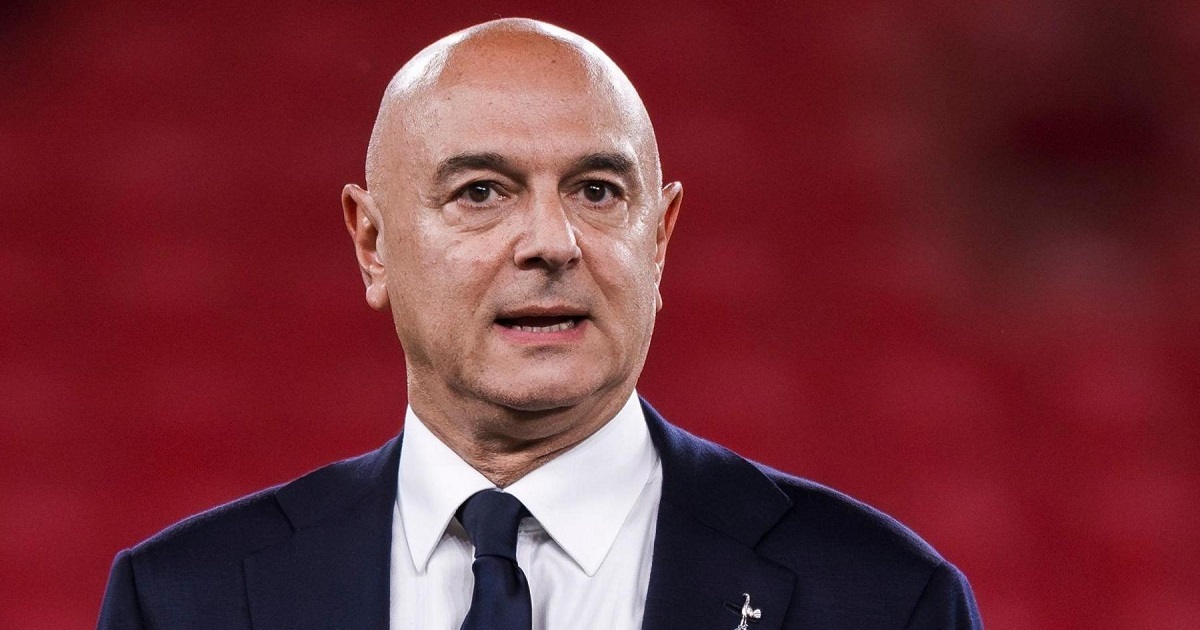
Levy was essentially fired, even if softer language was used publicly and he was allowed to step down. A story by Jack Pitt-Brooke and Jay Harris in The Athleticused the word “removed” in its headline and included this quote from a source close to the Joe Lewis family trust, which is the biggest shareholder in Tottenham Hotspur:
“Generations of the Lewis family support this special football club, and they want what the fans want — more wins, more often,” a source close to the Lewis family told The Athletic. “This is why you have seen recent changes, new leadership and a fresh approach. In Vinai (Venkatesham), Thomas (Frank) and Peter Charrington, they believe they are backing the right team to deliver on this. This is a new era.”
—Jack Pitt-Brooke and Jay Harris’ story at The Athletic
Spurs might have captured a European trophy last season, but their Premier League performance was nothing short of a disaster. Had Levy been the type of modern chairman who focused on the business and left football to the football people, this might not have affected his position at all. But Levy has always love getting directly involved in the deals, and it was hard to see where he’d fit into a modern structure with a CEO and director of football.
Levy is likely to be remembered as an excellent chairman who guided Tottenham to business and sporting success over his tenure. The opening of the club’s new and very well-liked 62,850 stadium will be his greatest legacy. John Muller jokes that Levy’s tenure might have been a little bit overrated:
But Manchester City surpassing Spurs due to investment from a country’s government is probably important context here. Turning Spurs into a billion pound commercial powerhouse without any kind of enormous capital injection is an incredible accomplishment, and I don’t think anyone is ever going to dispute that.
Where there will be significant differences of opinion are whether or not Levy was any good at the sporting side of his job. I tend to agree with this 2023 piece by Joel Wertheimer, where the central thesis is that Levy was good until he wasn’t. At some point, he stopped being ruthless in the transfer market or lost his touch. At the same time, his rivals grew more professional and sophisticated. There were fewer idiots to take advantage of. The smarter teams beat him to the best players in Spurs’ price range.
There are too many teams with money, and too many teams with sophisticated recruitment departments, for a Daniel Levy to succeed in modern football. The days of a good chairman, a good manager, and a chief scout functioning as 90% of a successful recruitment department are over. If you try to operate like that, the better organized and staffed teams are going to kick your ass.
CEO Vinai Venkatesham and new non-executive chairman Peter Charrington will now likely move to hire a new director of football. While no announcement has been made about the futures of technical director Johan Lange and banned director turned consultant Fabio Paratici, I imagine their roles will be reconsidered. When ownership is talking about a “fresh approach” and “new era,” the old guard generally does not stick around. And given Tottenham’s flailing in the transfer market this summer, they probably shouldn’t.
The thing that happened to Daniel Levy is the same thing that happens to pretty much everyone who works in sports well into their 60s. The game passed him by. It changed faster than he was willing or able to change. That doesn’t make what he did in the past any less great, but it was time for Tottenham to try something different.
Daniel Levy was the last great old-school football chairman
But the world moved on 5 years ago.
www.thetransferflow.com
Daniel Levy was the last great old-school football chairman
But the world moved on 5 years ago.
On Thursday, Tottenham Hotspur made the surprising announcement that Daniel Levy had stepped down as executive chairman after 24 years on the job. Speculation about whether he was retiring as part of a planned succession were quickly squashed by reporters.Levy was essentially fired, even if softer language was used publicly and he was allowed to step down. A story by Jack Pitt-Brooke and Jay Harris in The Athleticused the word “removed” in its headline and included this quote from a source close to the Joe Lewis family trust, which is the biggest shareholder in Tottenham Hotspur:
“Generations of the Lewis family support this special football club, and they want what the fans want — more wins, more often,” a source close to the Lewis family told The Athletic. “This is why you have seen recent changes, new leadership and a fresh approach. In Vinai (Venkatesham), Thomas (Frank) and Peter Charrington, they believe they are backing the right team to deliver on this. This is a new era.”
—Jack Pitt-Brooke and Jay Harris’ story at The Athletic
Spurs might have captured a European trophy last season, but their Premier League performance was nothing short of a disaster. Had Levy been the type of modern chairman who focused on the business and left football to the football people, this might not have affected his position at all. But Levy has always love getting directly involved in the deals, and it was hard to see where he’d fit into a modern structure with a CEO and director of football.
Levy is likely to be remembered as an excellent chairman who guided Tottenham to business and sporting success over his tenure. The opening of the club’s new and very well-liked 62,850 stadium will be his greatest legacy. John Muller jokes that Levy’s tenure might have been a little bit overrated:
But Manchester City surpassing Spurs due to investment from a country’s government is probably important context here. Turning Spurs into a billion pound commercial powerhouse without any kind of enormous capital injection is an incredible accomplishment, and I don’t think anyone is ever going to dispute that.
Where there will be significant differences of opinion are whether or not Levy was any good at the sporting side of his job. I tend to agree with this 2023 piece by Joel Wertheimer, where the central thesis is that Levy was good until he wasn’t. At some point, he stopped being ruthless in the transfer market or lost his touch. At the same time, his rivals grew more professional and sophisticated. There were fewer idiots to take advantage of. The smarter teams beat him to the best players in Spurs’ price range.
There are too many teams with money, and too many teams with sophisticated recruitment departments, for a Daniel Levy to succeed in modern football. The days of a good chairman, a good manager, and a chief scout functioning as 90% of a successful recruitment department are over. If you try to operate like that, the better organized and staffed teams are going to kick your ass.
CEO Vinai Venkatesham and new non-executive chairman Peter Charrington will now likely move to hire a new director of football. While no announcement has been made about the futures of technical director Johan Lange and banned director turned consultant Fabio Paratici, I imagine their roles will be reconsidered. When ownership is talking about a “fresh approach” and “new era,” the old guard generally does not stick around. And given Tottenham’s flailing in the transfer market this summer, they probably shouldn’t.
The thing that happened to Daniel Levy is the same thing that happens to pretty much everyone who works in sports well into their 60s. The game passed him by. It changed faster than he was willing or able to change. That doesn’t make what he did in the past any less great, but it was time for Tottenham to try something different.

I think Qatar will buy the club from Lewis within the next month tbh, no smoke without fire

It is, but that's the game now. Although,having said that, if it's £100m into the balance, then that is probably £400m amortized.
I'm excited for what's to come now. Not many times I can say that supporting Spurs over the last 34 years.

Why are there hard core little levy supporters in the first place?There seems to be a trend on here developing where all the hard-core Levy supporters are suddenly becoming ENIC OUT
Maybe the paris guy is selling baguettes to the club bakery but the others?
Last edited:

I think this is all mostly fair and a pretty good assessmentI think this is a really concise but pretty good summary, and sums up how I've felt about Levy the last few years. There was a time, pre 2015/16 ish, when he was quite innovative and played the football system quite well. But the system evolved and he didn't. Most clubs in Europe now are more sophisticated, the PL more sophisticated, smarter and way way richer. Levy's still flailing around doing 2010 shit.
Daniel Levy was the last great old-school football chairman
But the world moved on 5 years ago.
Daniel Levy was the last great old-school football chairman
But the world moved on 5 years ago.
On Thursday, Tottenham Hotspur made the surprising announcement that Daniel Levy had stepped down as executive chairman after 24 years on the job. Speculation about whether he was retiring as part of a planned succession were quickly squashed by reporters.
Levy was essentially fired, even if softer language was used publicly and he was allowed to step down. A story by Jack Pitt-Brooke and Jay Harris in The Athleticused the word “removed” in its headline and included this quote from a source close to the Joe Lewis family trust, which is the biggest shareholder in Tottenham Hotspur:
“Generations of the Lewis family support this special football club, and they want what the fans want — more wins, more often,” a source close to the Lewis family told The Athletic. “This is why you have seen recent changes, new leadership and a fresh approach. In Vinai (Venkatesham), Thomas (Frank) and Peter Charrington, they believe they are backing the right team to deliver on this. This is a new era.”
—Jack Pitt-Brooke and Jay Harris’ story at The Athletic
Spurs might have captured a European trophy last season, but their Premier League performance was nothing short of a disaster. Had Levy been the type of modern chairman who focused on the business and left football to the football people, this might not have affected his position at all. But Levy has always love getting directly involved in the deals, and it was hard to see where he’d fit into a modern structure with a CEO and director of football.
Levy is likely to be remembered as an excellent chairman who guided Tottenham to business and sporting success over his tenure. The opening of the club’s new and very well-liked 62,850 stadium will be his greatest legacy. John Muller jokes that Levy’s tenure might have been a little bit overrated:
But Manchester City surpassing Spurs due to investment from a country’s government is probably important context here. Turning Spurs into a billion pound commercial powerhouse without any kind of enormous capital injection is an incredible accomplishment, and I don’t think anyone is ever going to dispute that.
Where there will be significant differences of opinion are whether or not Levy was any good at the sporting side of his job. I tend to agree with this 2023 piece by Joel Wertheimer, where the central thesis is that Levy was good until he wasn’t. At some point, he stopped being ruthless in the transfer market or lost his touch. At the same time, his rivals grew more professional and sophisticated. There were fewer idiots to take advantage of. The smarter teams beat him to the best players in Spurs’ price range.
There are too many teams with money, and too many teams with sophisticated recruitment departments, for a Daniel Levy to succeed in modern football. The days of a good chairman, a good manager, and a chief scout functioning as 90% of a successful recruitment department are over. If you try to operate like that, the better organized and staffed teams are going to kick your ass.
CEO Vinai Venkatesham and new non-executive chairman Peter Charrington will now likely move to hire a new director of football. While no announcement has been made about the futures of technical director Johan Lange and banned director turned consultant Fabio Paratici, I imagine their roles will be reconsidered. When ownership is talking about a “fresh approach” and “new era,” the old guard generally does not stick around. And given Tottenham’s flailing in the transfer market this summer, they probably shouldn’t.
The thing that happened to Daniel Levy is the same thing that happens to pretty much everyone who works in sports well into their 60s. The game passed him by. It changed faster than he was willing or able to change. That doesn’t make what he did in the past any less great, but it was time for Tottenham to try something different.
He did an awful lot of good to get us to where we were about 10 years ago
But it's been a shit show since about 2017 , initially masked by Poch getting blood out of a stone for a year or two
It certainly feels like every decision he's made in the last 6 or 7 years has just had us chasing our tails even further each time
Last edited:
He’s burnt so many bridges with agents and clubs it clearly handicapped our ability to buy and sellI think this is all mostly fair and a pretty good assessment
He did an awful lot of good to get us to where we were about 10 years ago
But it's been a shit show since about 2017 , initially masked by Poch getting blood out of a stone for a year or two
It certainly feels like every decision he's made in the last 6 or 7 years has just had us chasing our tails even further each time
Players that improve the 11. We spent money in the last 7 years but were limited in where we could spend it - that’s solely on him.
It took them 18 years to create a platform to compete and by that point, it was too late to take advantage of it due to his ridiculous personality and approach

It could make a difference for some up front payments for one or two real quality players in January though, since we're always apparently struggling with those.

Good. Fucker's deserved the sack for years. I hope he begged and cried.
Bet LaBaguette is having a tough ol' time too up there on his pedestal in the Piedmont. Good thing he's still highly intelligent, devilishly handsome and the biggest hit with the ladies...or whatever bs he once put in his biog.The three of the Levy supporters aren't coping well. Shady is in the bin, Dudu is worshipping his false God and, poor Fixxy, someone needs to check in him, he's gone AWOL.

May I be as bold as to suggest 'Speccy' or 'four-eyed' as an appropriate epiphet?For those of this inclination, will "hirsute c*nt" work as well as "bald c*nt"?

A Qatari consortium, perhaps.I think Qatar will buy the club from Lewis within the next month tbh, no smoke without fire
Our luck Joe Lewis has a hobby as a bee keeper and it’s all smoke no fire .I think Qatar will buy the club from Lewis within the next month tbh, no smoke without fire
Poor fecking bees
Thanks for this. Good article, as is the Joel Wertheimer piece (linked in the article). It's important to recognise how good Levy was on and off the pitch until the Wembley period of stadium construction. But then things went wrong.I think this is a really concise but pretty good summary, and sums up how I've felt about Levy the last few years. There was a time, pre 2015/16 ish, when he was quite innovative and played the football system quite well. But the system evolved and he didn't. Most clubs in Europe now are more sophisticated, the PL more sophisticated, smarter and way way richer. Levy's still flailing around doing 2010 shit.
Daniel Levy was the last great old-school football chairman
But the world moved on 5 years ago.
Daniel Levy was the last great old-school football chairman
But the world moved on 5 years ago.
On Thursday, Tottenham Hotspur made the surprising announcement that Daniel Levy had stepped down as executive chairman after 24 years on the job. Speculation about whether he was retiring as part of a planned succession were quickly squashed by reporters.
Levy was essentially fired, even if softer language was used publicly and he was allowed to step down. A story by Jack Pitt-Brooke and Jay Harris in The Athleticused the word “removed” in its headline and included this quote from a source close to the Joe Lewis family trust, which is the biggest shareholder in Tottenham Hotspur:
“Generations of the Lewis family support this special football club, and they want what the fans want — more wins, more often,” a source close to the Lewis family told The Athletic. “This is why you have seen recent changes, new leadership and a fresh approach. In Vinai (Venkatesham), Thomas (Frank) and Peter Charrington, they believe they are backing the right team to deliver on this. This is a new era.”
—Jack Pitt-Brooke and Jay Harris’ story at The Athletic
Spurs might have captured a European trophy last season, but their Premier League performance was nothing short of a disaster. Had Levy been the type of modern chairman who focused on the business and left football to the football people, this might not have affected his position at all. But Levy has always love getting directly involved in the deals, and it was hard to see where he’d fit into a modern structure with a CEO and director of football.
Levy is likely to be remembered as an excellent chairman who guided Tottenham to business and sporting success over his tenure. The opening of the club’s new and very well-liked 62,850 stadium will be his greatest legacy. John Muller jokes that Levy’s tenure might have been a little bit overrated:
But Manchester City surpassing Spurs due to investment from a country’s government is probably important context here. Turning Spurs into a billion pound commercial powerhouse without any kind of enormous capital injection is an incredible accomplishment, and I don’t think anyone is ever going to dispute that.
Where there will be significant differences of opinion are whether or not Levy was any good at the sporting side of his job. I tend to agree with this 2023 piece by Joel Wertheimer, where the central thesis is that Levy was good until he wasn’t. At some point, he stopped being ruthless in the transfer market or lost his touch. At the same time, his rivals grew more professional and sophisticated. There were fewer idiots to take advantage of. The smarter teams beat him to the best players in Spurs’ price range.
There are too many teams with money, and too many teams with sophisticated recruitment departments, for a Daniel Levy to succeed in modern football. The days of a good chairman, a good manager, and a chief scout functioning as 90% of a successful recruitment department are over. If you try to operate like that, the better organized and staffed teams are going to kick your ass.
CEO Vinai Venkatesham and new non-executive chairman Peter Charrington will now likely move to hire a new director of football. While no announcement has been made about the futures of technical director Johan Lange and banned director turned consultant Fabio Paratici, I imagine their roles will be reconsidered. When ownership is talking about a “fresh approach” and “new era,” the old guard generally does not stick around. And given Tottenham’s flailing in the transfer market this summer, they probably shouldn’t.
The thing that happened to Daniel Levy is the same thing that happens to pretty much everyone who works in sports well into their 60s. The game passed him by. It changed faster than he was willing or able to change. That doesn’t make what he did in the past any less great, but it was time for Tottenham to try something different.
Perhaps not emphasised enough is how well player trading worked until this point, contributing to profitability (thus good deals with lenders), squad development, and on-field success. Levy and co. managed to buy key players like Carrick, Berbatov, Modric, Bale, Son (whom we kept), and others, whom were sold at a significant profit.
As Wertheimer points out, things changed in the PL in this period, with a number of clubs improving data-led scouting and personnel. But he's wrong that Levy's 'old school' approach didn't use data. He was ahead in moneyball transfer strategy – it's just that other clubs, not only here but on the continent, caught up and then overtook him.
As a result we recruited lesser players who did not strengthen the squad and could not be sold at a profit. The old, previously successful model unravelled, and he took too long to change things – until recently, especially with the input of Paratici and Lange working at a younger age level (meaning we'll have to wait until player sales become valuable again).
Another issue, at the time of stadium transition, was perhaps something to do with too rigorously ensuring the lenders were pleased with a good operating profit and thus a low wages/turnover ratio. Because the player trading model ran out of road, there was an excessive reliance on low wages.
Sheer bad luck intervened when the promised increased revenues of the new stadium were vitiated by Covid19 for not only the two years of lockdowns, but for a period after. The end of Covid was not the end of a necessary risk adversity in football. None of us knew, until vaccination succeeded, that Covid was over.
After this, Levy got stuck in a low wages/turnover situation. His crucial error was to imagine that managers like Mourinho and Conte would make a difference, while the club maintained a low-wage profitability. Both managers behaved poorly, but both identified in their own inept way the truth that our recruitment had become insufficient to achieve what Levy wanted them to do. Postecoglou suffered in the same way with insufficient strength in depth. The promise of young players coming through was coming too late.
Let's see what happens. The low wages structure is something that can't be changed overnight. There has to be a planned transition in policy, moving to allowing risk-managed losses to enable higher wages, better recruitment, and more success. We're in an excellent PSR position to allow that. A carefully assembled wage structure has to be revised over time. It's already in process.
I honestly think that ENIC have realised with Joe on the way out and new faces coming in that they have to change the modus operandi to really compete successfully and that the new additions at board level who came in recently have seen that DL has become an obstacle in the club progressing on the pitch.
I don't think they're thinking about selling maybe until the club is regularly mentioned in the same breath as elites and wins things regularly.
Saw something elsewhere that Tavistock are pushing some corporate type packages for their entire business and maybe they want the football prioritised now that the structure is there (after decades of penny pitching).
They've made a fucking fortune from the club, to protect their investment they need more on the pitch and an attractive, successful side that people want to watch...and that will require money going back in now instead of coming out.
Maybe the younger Levy and others actually like/appreciate the fucking game from more than a checks and balances perspective? I do hope so.
I don't think they're thinking about selling maybe until the club is regularly mentioned in the same breath as elites and wins things regularly.
Saw something elsewhere that Tavistock are pushing some corporate type packages for their entire business and maybe they want the football prioritised now that the structure is there (after decades of penny pitching).
They've made a fucking fortune from the club, to protect their investment they need more on the pitch and an attractive, successful side that people want to watch...and that will require money going back in now instead of coming out.
Maybe the younger Levy and others actually like/appreciate the fucking game from more than a checks and balances perspective? I do hope so.
Last edited: